
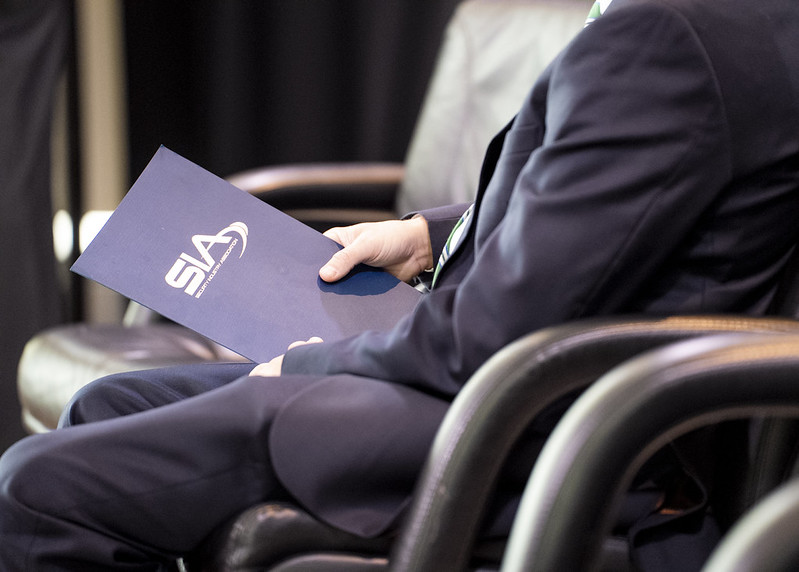
Protecting Critical Infrastructure From Insider Threats | Auditorium
Critical infrastructure faces growing risk from insider threats, ranging from malicious actors to unintentional employee actions, that can disrupt operations, compromise sensitive data, or impact public safety. Drawing on guidance from the Cybersecurity and Infrastructure Security Agency, the Security Industry Association Utilities Advisory Board, and the Center for Cross Sector Collaboration, this session will explore practical approaches to identifying and mitigating insider threats. Discussion will cover strategies of stronger identity and access management, setting up multidisciplinary threat management teams, the development of formal insider threat programs and strategies for scaling these capabilities across critical infrastructure sectors.
Attendees will leave with actionable insights into how to strengthen organizational resilience against insider risk, improve early detection and reporting mechanisms and build coordinated response structures that support secure and continuous operations in high-consequence environments.
Speakers
-
 Shawn WallaceDirector of Critical Infrastructure
Unlimited TechnologyShawn Wallace is the director of critical infrastructure for Unlimited Technology and a member of the Utility Advisory Board for the Security Industry Association (SIA). He has worked for over 20 years in the electric and oil and gas sectors and recently wrote an insider threat guide for SIA based on his work in security, including time with a startup company whose mission is to defend companies and employees from social engineering attacks. Wallace holds bachelor’s degrees in chemistry and chemical engineering from Purdue University and an MBA in finance from the University of Denver.
-
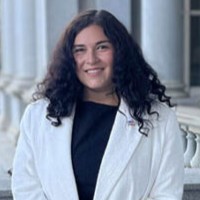 Courtney KayManager of Industry Relations
Security Industry AssociationCourtney Kay is manager of industry relations at the Security Industry Association (SIA) where she supports engagement and partnerships between the security industry and key vertical markets. In this role, Courtney oversees the production of the Vertical Insights Symposiums, development of the Security Market Index, and manages SIA’s Utilities Advisory Board, Retail Advisory Board and Law Enforcement Advisory Board. She has special interests in homeland security issues, school safety, and crime prevention through environmental design.
Before joining SIA, Courtney served as a Strategic Engagement Lead at the Department of Homeland Security’s Center for Prevention Programs and Partnerships, where she enhanced national partnerships and capabilities to prevent targeted violence and terrorism. Courtney holds a master’s degree in Terrorism, Security, and Society from King’s College London and a bachelor’s degree in psychology from Penn State University. Drawing on her understanding of how security technology and industry innovation are applied in practice, Courtney works to build partnerships that promote collaboration, resilience and safety.
-
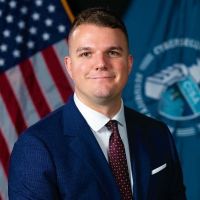 Christopher BroggerLead Instructor, Insider Threat, Cybersecurity and Infrastructure Security Agency
U.S. Department of Homeland SecurityChris Brogger serves as a program specialist in the Security Planning Branch, Office of Security Programs, Infrastructure Security Division, of the Cybersecurity and Infrastructure Security Agency (CISA) in the U.S. Department of Homeland Security.
Brogger oversees public-facing product development and stakeholder engagement on various critical security topics. His responsibilities include assisting CISA partners in understanding and mitigating insider threats, developing comprehensive security and safety planning measures, addressing the use of fire as a weapon and advocating for the business case for security. He collaborates extensively with government at the federal, state and local levels, as well as critical infrastructure partners int he private sector.
Brogger also serves as a lead instructor for training workshops and development of tools designed to improve the capabilities of security professionals across various critical infrastructure sectors. He has over a decade of experience in the national security mission space.
Prior to his current role, Brogger worked in the private sector as a senior consultant supporting various offices within CISA, including the Office for Bombing Prevention and Infrastructure Assessments and Analysis. He currently serves as a captain in the US Army Reserve and has deployments to Afghanistan and Iraq, where he worked as a logistics officer supporting missions across the Middle East. He holds a bachelor’s degree in international studies from Dickinson College.
-
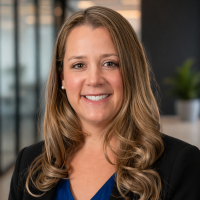 Kelly MurrayExecutive Director and Co-Founder
Center for Cross-Sector CoordinationKelly Murray is the executive director and co-founder of the Center for Cross-Sector Coordination (CXC), a not-for-profit initiative focusing on promoting cross-sector collaboration and information sharing, private-public discussion and cross-sector security and resilience solutions for critical infrastructure owners and operators. CXC serves as a trusted network and forum for true expert coordination—and as a force multiplier for government sector risk management agencies and information sharing initiatives. Murray is also the president and founder of resilience and risk solutions, which provides expert strategic policy, legislative approach, organizational development, risk analysis, vulnerability assessment, emergency management and program development for critical infrastructure and government partners, driving impactful change and increased national and economic security and resilience.
Previously, Murray was the associate director for the Cybersecurity and Infrastructure Security Agency Office of Chemical Security within the U.S. Department of Homeland Security, where she led the Office of Chemical Security in identifying, regulating and managing infrastructure security risk. Murray served as a technical authority on critical infrastructure and chemical security with expertise in risk-based and performance-based security measures to best assist critical infrastructure owners and operators and communities across the nation both understand and address their security risk. Further, she was a co-implementer of the Global Congress on Chemical Security and Emerging Threats, an international group of more than 1,000 experts from 110 countries, established to build capacity worldwide, enable technology innovation, address emerging threats like artificial intelligence and drones and influence global security strategies for critical infrastructure.